
4DEYE Dx
See the moment a joint leaves its path
X-ray and MRI show structure. 4DEYE Dx measures movement: whether a joint stays centred, or other parts compensate.
- Test time
- 5 minutes
- Sensors
- Five markerless cameras
- Agreement with VICON
- ICC 0.68–1.00 (1.00 = perfect)
- Approval
- MFDS Class II · billable
Core concept
Joint centration
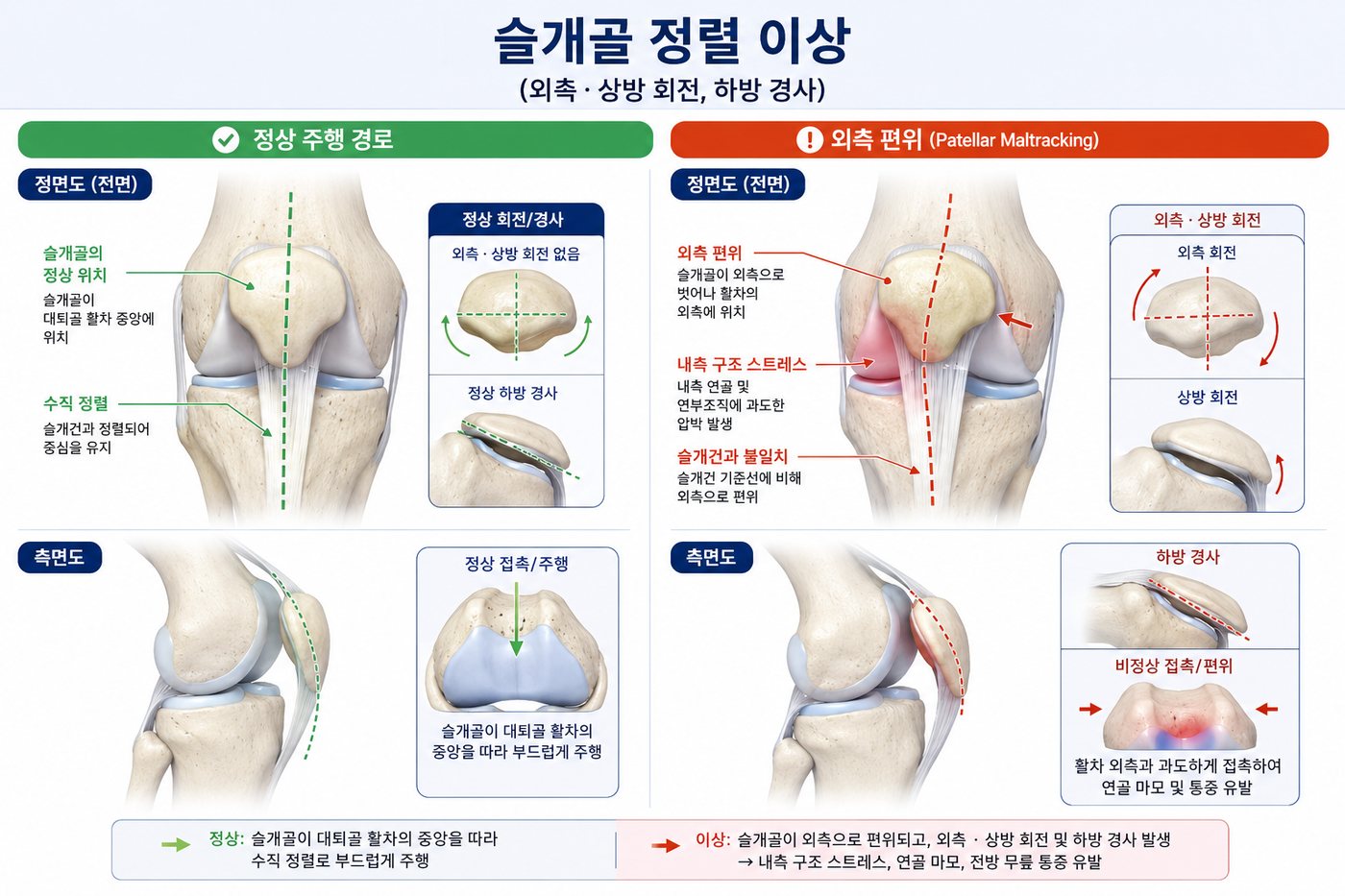
A kneecap drifting to one side overloads the joint and its surrounding tissue. The body recruits other parts to keep moving. This is compensation.
Treat only the pain and the problem returns. 4DEYE Dx detects compensation automatically from one simple movement.
To physical therapists
“You already spot compensation by eye and hand, and you are usually right. We put numbers on it — so findings are documented, reproducible across therapists and trackable over time.”
Tests
Three methods, every joint
Single-joint, multi-joint and static posture — each works on any joint in the body.
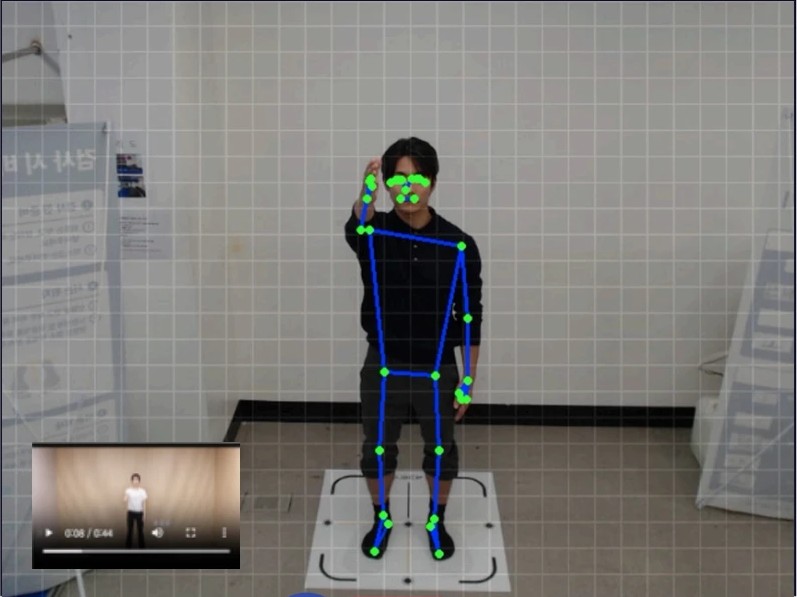
Single-joint motion analysis
The core test: one simple motion shows if a joint leaves its path.
Every joint, shoulder to ankle
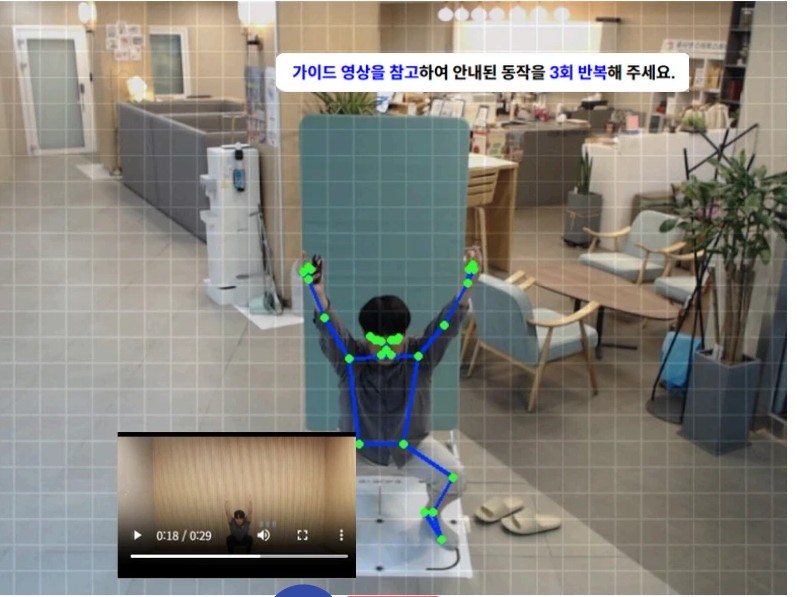
Multi-joint motion analysis
Shows, joint by joint, where the body breaks down in movements like an overhead squat.
Athletes · groups
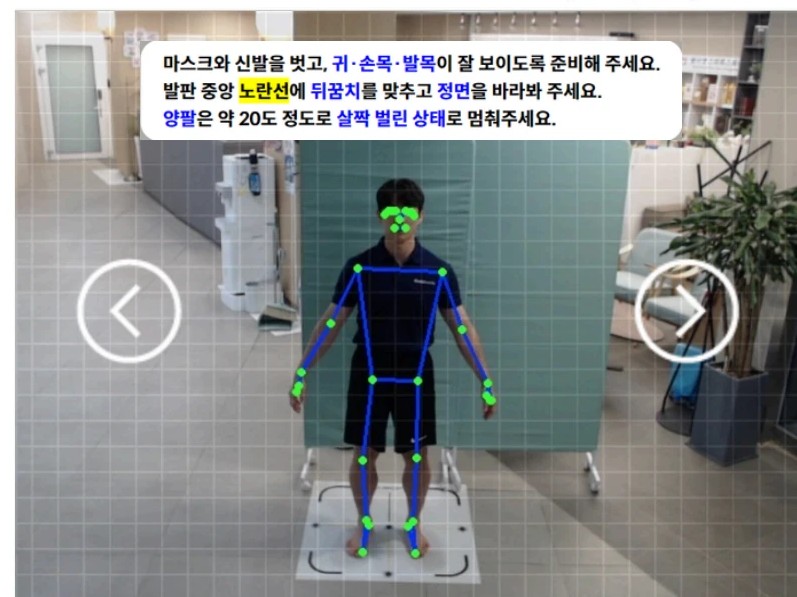
Static posture
Checks standing alignment in 3D, in a three-second capture.
Screening · pre-checks · three seconds
Add-on · separate subscription
Hand function test
Analyses fingers, wrist and elbow separately, joint by joint. Uses a dedicated attachment on the standard system.
- Fingers
- Wrist
- Elbow


Clinical use
Before and after treatment, same scale
Value comes from measuring, prescribing, then measuring again to show improvement.
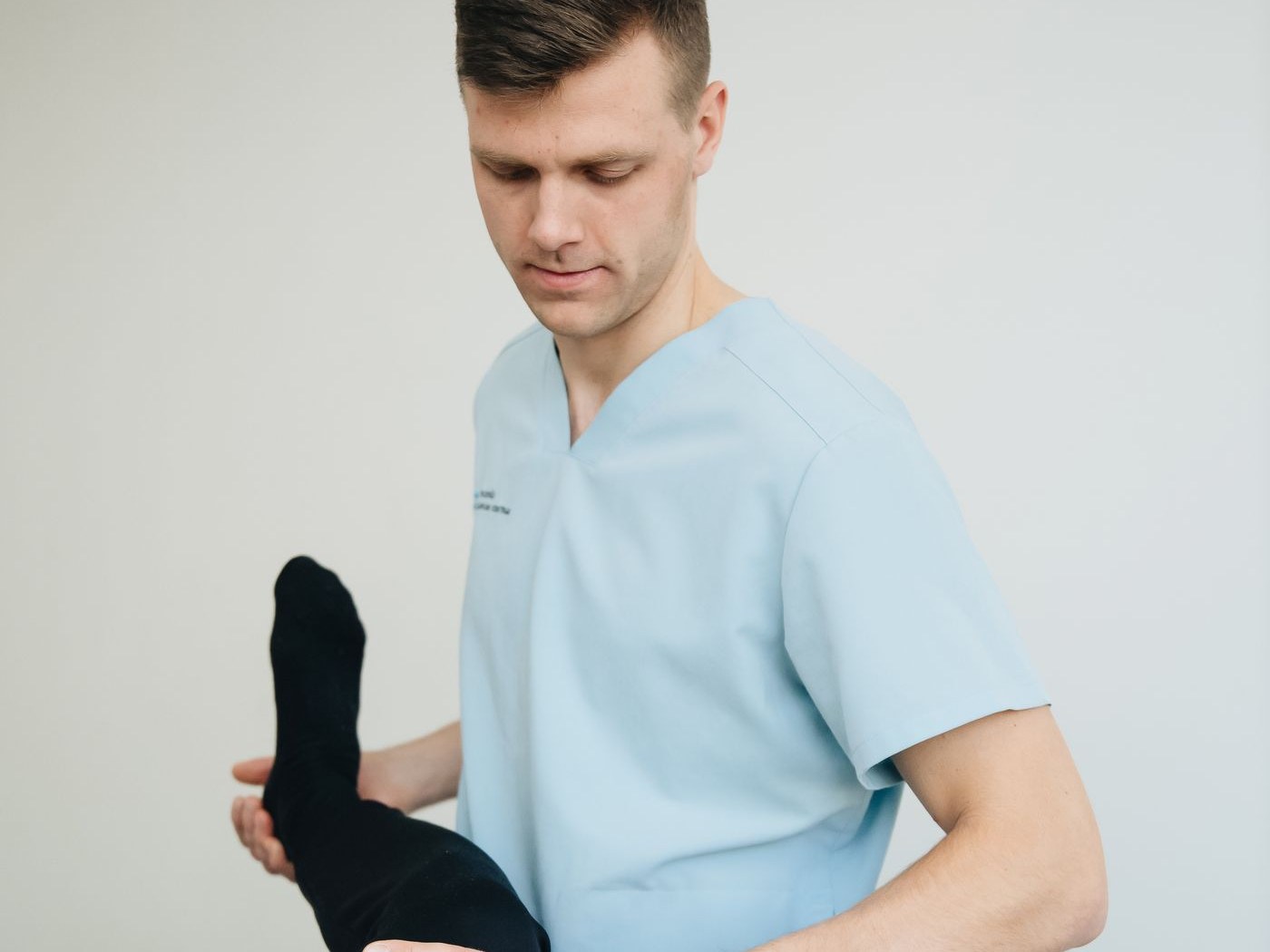
Before and after physical therapy
Test before treatment, repeat after, and see how much function returned.
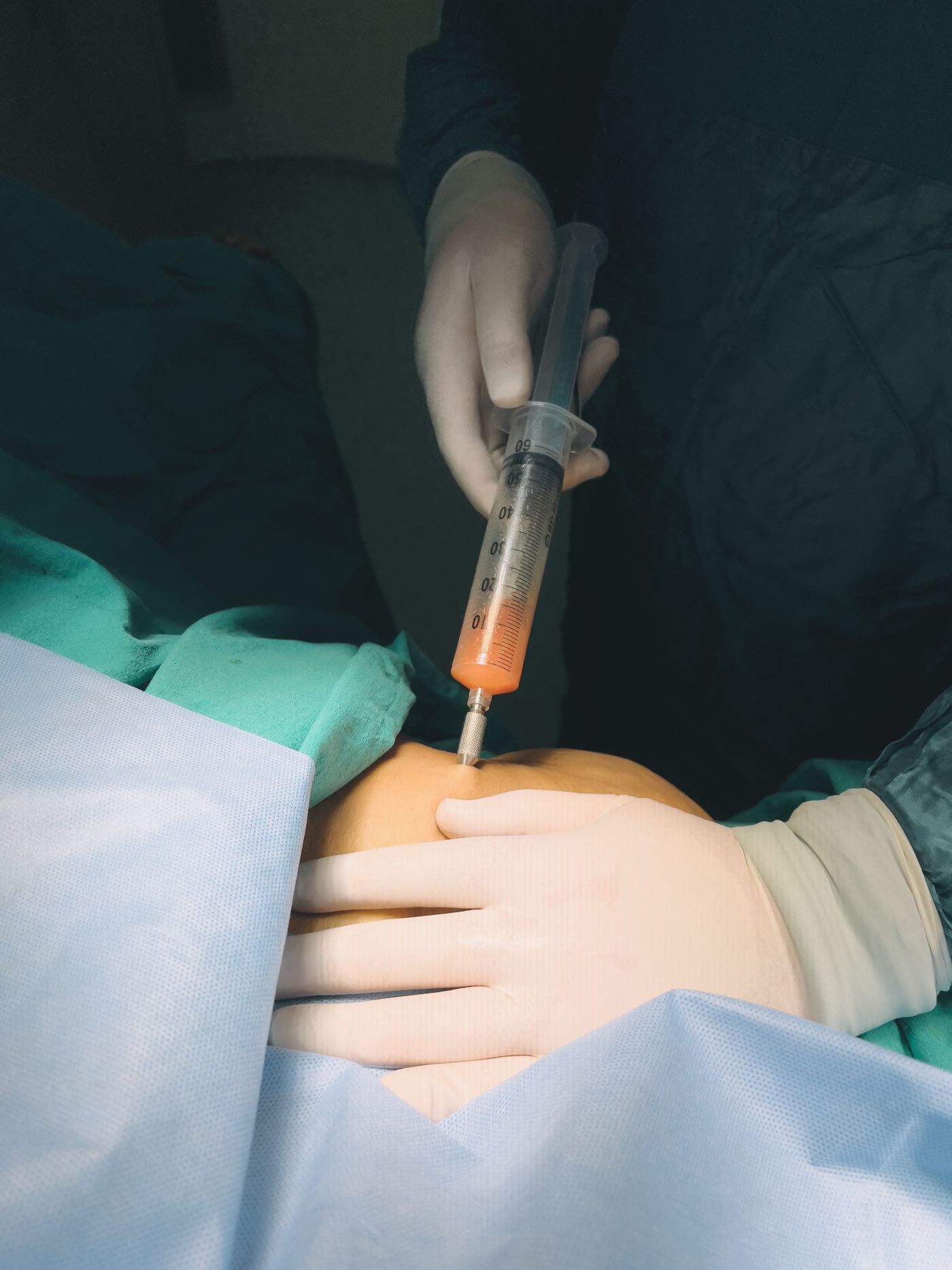
Before and after injection
Tell whether only pain eased, or joint function returned too.
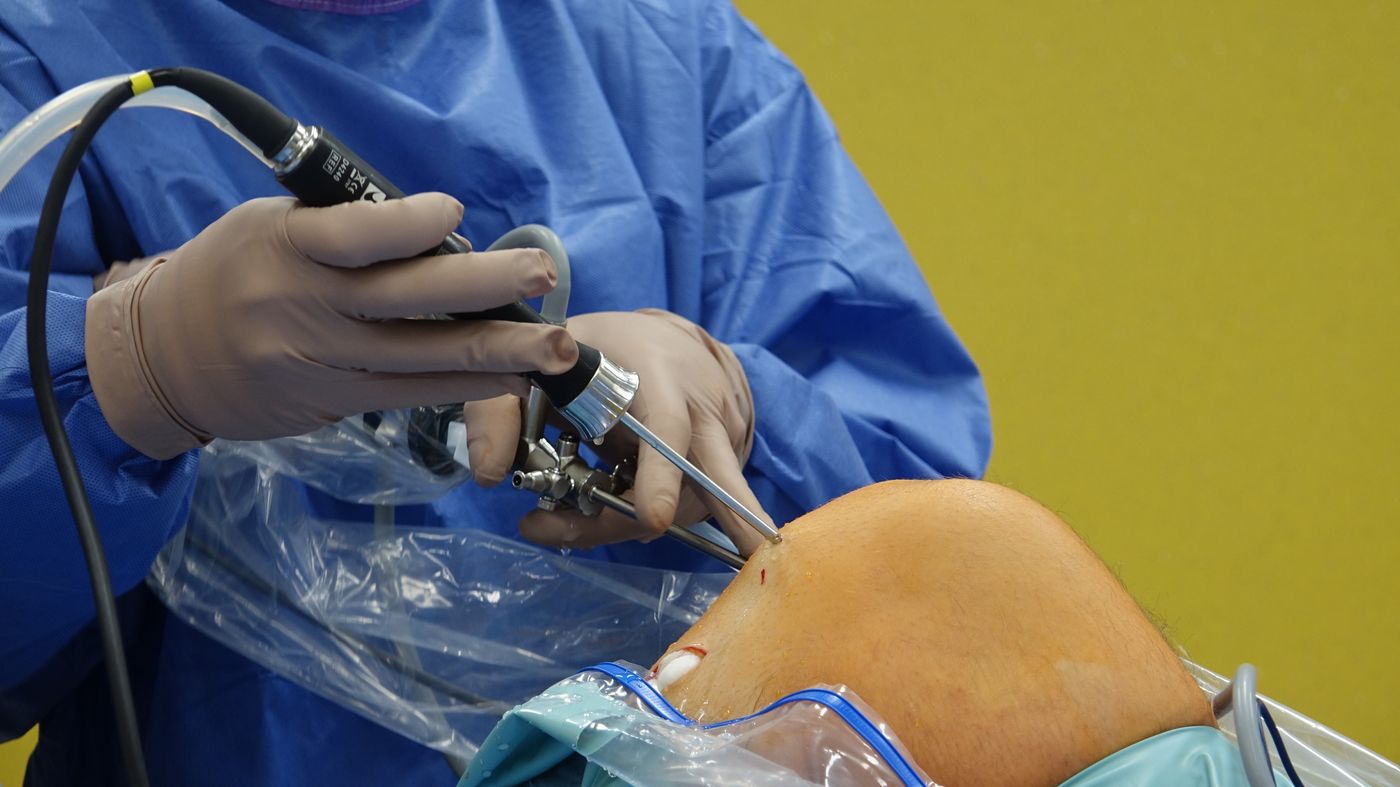
Before and after surgery
Record function before surgery, then track recovery on the same scale.
Photos are staged, not real procedures.
Results
One page, done
A one-page report goes straight into PACS and the insurance claim process. Less paperwork for therapists; quantitative data, not opinion, for insurers.
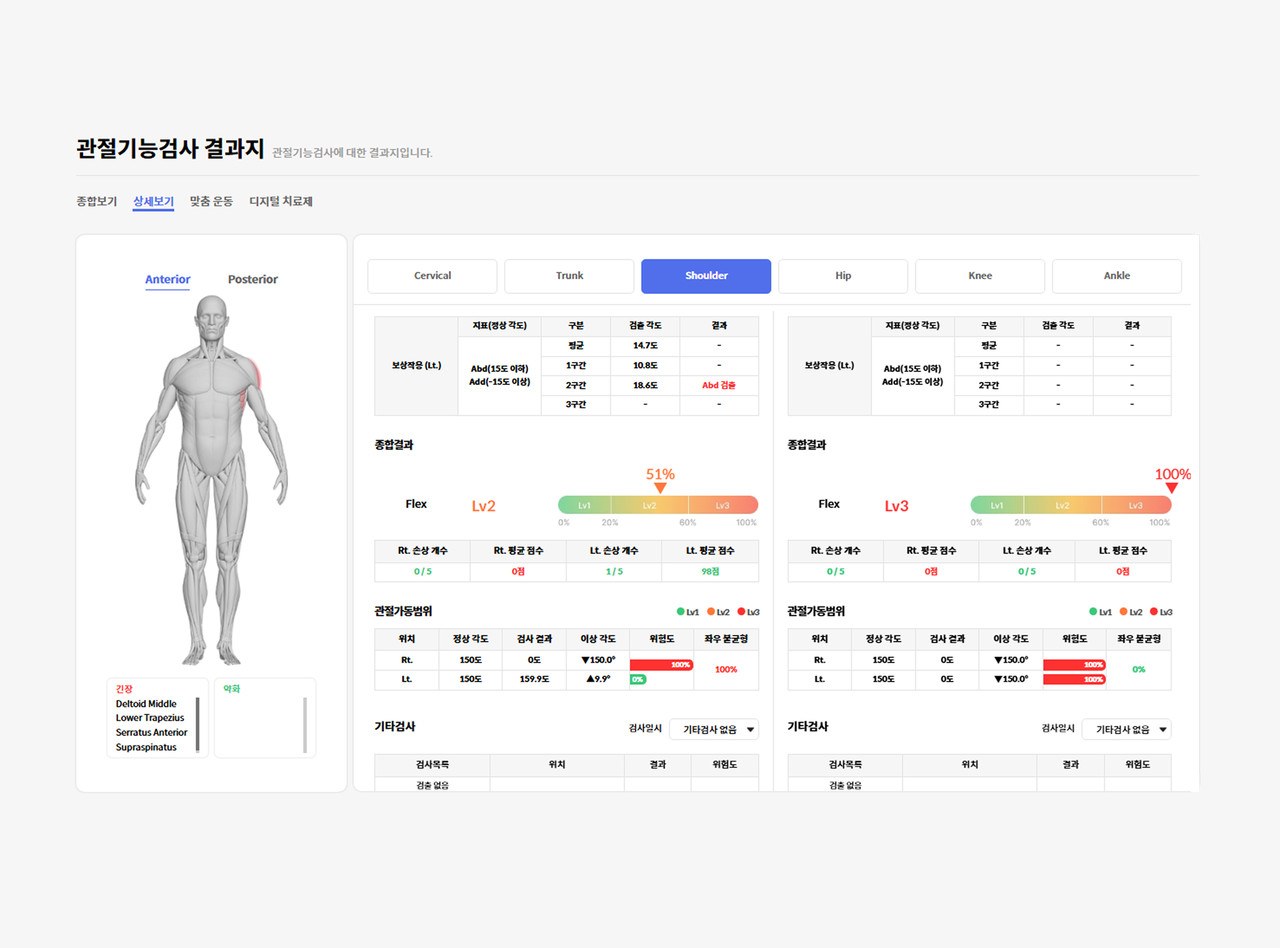
- Range of motion vs. normal
- Left–right restriction and asymmetry
- Compensation points and risk grade
- Tense and weak muscles
- Predicted musculoskeletal risk
- Patient questionnaire
- Change since previous tests
Adoption
Built to be easy to adopt
- Test time
- Joint test 5 min · posture 3 sec
- Training
- Half a day
- Space
- Your existing rehab room
- Wearables
- None — five markerless cameras
- Output
- One-page PDF, linked to PACS
- Operator
- Physical therapist, on physician’s order

More from the same cameras
Beyond the joints
Two more capabilities on the same cameras: contactless vital signs, launching soon, and growth prediction, already in schools.
Contactless vital signs
Remote photoplethysmography (rPPG) reads blood-flow changes in facial skin to measure heart and respiratory rate without contact. We are extending it to HRV, a stress index, blood pressure and SpO₂.
Measured in the joint-test session, with no extra equipment. A reference indicator, not a medical judgement. Launch timing is shared on consultation.
Growth prediction model
Repeated three-second scans build a posture time series. 4DEYE uses it to predict growth and spot students drifting from their peer average early.
In use in the Gyeonggi Provincial Office of Education’s student body-imbalance programme, with 14,000+ assessments. It does not diagnose; off-trend students are referred to a clinic.
Show patients the movement they can’t see
See a live assessment, terms sized to your hospital, and a payback simulation.